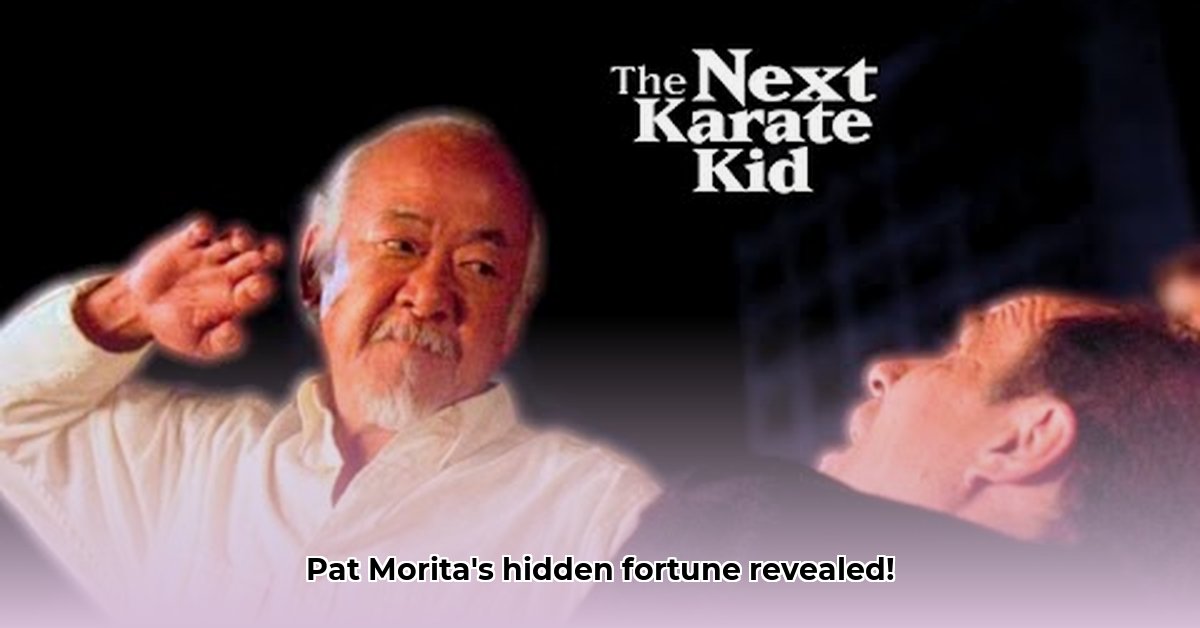
Pat Morita's estimated net worth of $2.5 million at the time of his death barely scratches the surface of his enduring legacy. This isn't a story solely about wealth; it's a testament to resilience, the power of representation, and the profound impact one individual can have on popular culture. His journey, from the internment camps of World War II to iconic Hollywood roles, is a narrative brimming with both hardship and triumph.
From Internment to Icon: Forging a Legacy
Pat Morita's early life was marked by significant adversity. Born in 1932, he faced the debilitating effects of childhood tuberculosis, a battle that shaped his perspective on life's fragility. However, the most profound impact came from the forced internment of Japanese Americans during World War II. This experience, a stark example of injustice and societal prejudice, left an indelible mark on his worldview and profoundly influenced his later career. How could such adversity be transformed into a comedic sensibility and ultimate Hollywood success? The answer lies in his remarkable resilience and unwavering determination.
The Crucible of Comedy: Finding Humor in Hardship
Morita's path to Hollywood wasn't straightforward. He began as a stand-up comedian, a challenging venture for any aspiring performer, especially an Asian American navigating the pervasive prejudice of mid-20th-century America. He chose the stage name "Pat Morita," a deliberate act of reinvention, symbolizing his shedding of past burdens and his bold stride towards a new future. His early comedic performances, honed in the face of discrimination, laid the foundation for his remarkable acting career. Can you imagine the courage it took to take the stage night after night, armed only with wit and a determination to overcome cultural barriers? This early struggle laid the groundwork for his future success.
The Karate Kid and Beyond: Breaking Barriers, Building a Legacy
His breakout roles – Arnold on Happy Days and the unforgettable Mr. Miyagi in The Karate Kid – weren't just acting jobs; they were pivotal moments in the representation of Asian Americans in Hollywood. Mr. Miyagi, in particular, transcended stereotypes, embodying quiet dignity, wisdom, and humanity. This portrayal resonated globally, cementing Morita's status as a beloved cultural icon. These roles significantly boosted his income, but their true impact lies in the shift in perceptions they inspired. His performances shattered the limitations often imposed on Asian American actors, paving the way for more diverse and nuanced portrayals in future generations.
More Than a Net Worth: Measuring True Success
While Pat Morita's net worth reflects his financial success, his legacy transcends mere monetary value. He opened doors for countless Asian American actors, demonstrating that they could be heroes, mentors, and fully realized characters, not just supporting players. This legacy of representation—the profound impact on the lives and careers of others—is a far more significant testament to his true wealth. He didn't simply accumulate wealth; he built a bridge of opportunities for future generations.
The Enduring Power of Resilience
Pat Morita's life story wasn't without its challenges. He persevered through ongoing health issues and unwavering societal prejudice. His success in Hollywood, a notoriously difficult industry, stands as a powerful testament to his determination and strength of character. This remarkable story underscores the idea that true wealth encompasses not only financial success but also the positive influence an individual has on the world around them.
Key Takeaways:
- Pat Morita's life story is an inspirational tale of overcoming adversity, showcasing his strength, resilience, and determination.
- His iconic roles transcended racial stereotypes, paving the way for better representation of Asian Americans in Hollywood.
- While his net worth is remarkable, Morita's true legacy lies in the positive impact he had on the industry and society at large, inspiring generations of performers.